About Cerebral Palsy

Showing posts with label Cerebral Palsy Symptoms. Show all posts
Showing posts with label Cerebral Palsy Symptoms. Show all posts
Monday, December 7, 2015
Signs and Symptoms Of Cerebral Palsy
A person with cerebral palsy will generally show symptoms during the first three years of life. A child/baby with cerebral palsy may have some of the signs and symptoms below:
Achieves developmental milestones, such as crawling, walking, or speaking, later than his/her peers.
Crawls in an unusual way.
Has abnormal muscle tone - the child will slouch while sitting. Muscle tone refers to a person's automatic ability to tighten and relax muscle when required.
Has difficulty feeding and sucking.
Lies down in awkward positions.
Can be easily startled.
Favors one side of the body over the other.
Has overdeveloped or underdeveloped muscles (has floppy or stiff movements).
Has bad coordination and balance (ataxia).
Has involuntary, slow writing movements (athetosis).
Muscles are stiff and contract abnormally (spastic paralysis).
Has hearing problems.
Has problems with eyesight.
Has bladder control problems.
Has bowel movement control problems.
Has seizures.
Has problems swallowing.
Range of movements are limited.

Friday, December 4, 2015
Note cerebral palsy treatment
Children with cerebral palsy is one of the disease, then, children with cerebral palsy in the rehabilitation process should pay attention to?
First, the treatment of children with cerebral palsy children need to pay attention to occupational therapy and living skills training:
Occupational therapy focuses more on control and intelligence to improve upper limb function and movement of daily life, which is to make the children through games and operational activities carried out in the body accidentally coordinated movement, so as to achieve the goal of life themselves, sick children through occupational therapy the ability to get action, and can prevent sensory disturbances caused by the motor function secondary to developmental disorders and to promote the development of heart and soul.
Second, children with cerebral palsy must choose the right method of treatment, diet therapy:
Children with cerebral palsy to be easily absorbed by the patient's food, nutrition rich, to choose foods high in protein, protein is the memory of the foundation of intellectual activity and brain, thinking there is a close connection, milk, soy, eggs, yogurt, meat, etc. are protein-rich foods, but also multi-select foods high in vitamins, because vitamin A can enhance the body's resistance, and promote brain development.
Third, children with cerebral palsy treatment needs to cultivate good psychological qualities:
Cerebral palsy often accompanied by mental retardation, perception disorders, communication disorders, behavioral abnormalities and other abnormalities, a serious threat to the patient's physical and mental health and learning, in addition to the necessary treatment, cerebral palsy patient care to improve the quality of life and curb the progression is very Pivotal. Children with cerebral palsy in children because athletic ability and other aspects of difference than normal children, often have inferiority rather than interact with others, in the rehabilitation of children to do the same time, pay attention to correct the child's emotions, to correct abnormal behavior, develop social skills, enhanced confidence to overcome difficulties in children, so that children have a healthy mind, lay the foundation for future return to society.
Fourth, the physical therapy: physical therapy in children with cerebral palsy, such as hot and so cold. The main purpose is to relieve cramps, low to stimulate muscle tension, promote circulation, maintain and expand the range of motion, increase muscle strength, improving balance and gait.
Cerebral palsy should be treated as if timely treatment, may affect the rehabilitation of patients, affecting the patient's life and work study, therefore, cerebral palsy treatment must be timely, so as not to miss the best treatment time.
Friday, November 27, 2015
Types of Cerebral Palsy Symptoms
Symptoms can range from clumsiness to severe spasticity that contorts the
child's arms and legs, requiring mobility aids, such as braces, crutches, and
wheelchairs. Because other parts of the brain may also be affected, many
children with cerebral palsy have other disabilities, such as intellectual
disability, behavioral problems, difficulty seeing or hearing, and seizure
disorders.
There are four main types of cerebral palsy:
Spastic
Athetoid
Ataxic
Mixed
In all forms of cerebral palsy, speech may be hard to understand because the child has difficulty controlling the muscles involved in speech.
In the spastic type, which occurs in over 70% of children with cerebral palsy, the muscles are stiff (spastic) and weak. The stiffness may affect both arms and both legs (quadriplegia) or mainly the legs and lower part of the body (paraplegia). Often, the same parts on both sides of the body are affected (diplegia), but sometimes only the arm and leg on one side are affected (hemiplegia). The affected arms and legs are poorly developed, as well as stiff and weak. Some children may walk in a criss-cross motion, where one leg swings over the other (scissors gait), and some may walk on their toes. Crossed, lazy, or wandering eyes (strabismus) and other vision problems may occur. Children with spastic quadriplegia are the most severely affected. They commonly have intellectual disability (sometimes severe) along with seizures and trouble swallowing. Children who have trouble swallowing may choke on secretions from the mouth and stomach and inhale (aspirate) them. Aspiration inflames the lungs, causing difficulty breathing. Repeated aspiration can permanently damage the lungs. Many children with spastic hemiplegia, diplegia, or paraplegia have normal intelligence and are less likely to have seizures.
In the athetoid type, which occurs in about 20% of children with cerebral palsy, the arms, legs, and body spontaneously move slowly and involuntarily. Movements may also be writhing, abrupt, and jerky. Strong emotion makes the movements worse, and sleep makes them disappear. Children usually have normal intelligence and rarely have seizures. Difficulty articulating words clearly is common and is often severe. If the cause is kernicterus, affected children are often deaf and have difficulty looking up.
In the ataxic type, which occurs in less than 5% of children with cerebral palsy, coordination is poor, and muscles are weak. Movements become shaky when children reach for an object (a type of tremor). Children have difficulty when they try to move rapidly or do things that require fine movements. They walk unsteadily, with their legs widely spaced.
In the mixed type, two of the above types, most often spastic and athetoid, are combined. This type occurs in many children with cerebral palsy. Children with mixed types may have severe intellectual disability.
There are four main types of cerebral palsy:
Spastic
Athetoid
Ataxic
Mixed
In all forms of cerebral palsy, speech may be hard to understand because the child has difficulty controlling the muscles involved in speech.
In the spastic type, which occurs in over 70% of children with cerebral palsy, the muscles are stiff (spastic) and weak. The stiffness may affect both arms and both legs (quadriplegia) or mainly the legs and lower part of the body (paraplegia). Often, the same parts on both sides of the body are affected (diplegia), but sometimes only the arm and leg on one side are affected (hemiplegia). The affected arms and legs are poorly developed, as well as stiff and weak. Some children may walk in a criss-cross motion, where one leg swings over the other (scissors gait), and some may walk on their toes. Crossed, lazy, or wandering eyes (strabismus) and other vision problems may occur. Children with spastic quadriplegia are the most severely affected. They commonly have intellectual disability (sometimes severe) along with seizures and trouble swallowing. Children who have trouble swallowing may choke on secretions from the mouth and stomach and inhale (aspirate) them. Aspiration inflames the lungs, causing difficulty breathing. Repeated aspiration can permanently damage the lungs. Many children with spastic hemiplegia, diplegia, or paraplegia have normal intelligence and are less likely to have seizures.
In the athetoid type, which occurs in about 20% of children with cerebral palsy, the arms, legs, and body spontaneously move slowly and involuntarily. Movements may also be writhing, abrupt, and jerky. Strong emotion makes the movements worse, and sleep makes them disappear. Children usually have normal intelligence and rarely have seizures. Difficulty articulating words clearly is common and is often severe. If the cause is kernicterus, affected children are often deaf and have difficulty looking up.
In the ataxic type, which occurs in less than 5% of children with cerebral palsy, coordination is poor, and muscles are weak. Movements become shaky when children reach for an object (a type of tremor). Children have difficulty when they try to move rapidly or do things that require fine movements. They walk unsteadily, with their legs widely spaced.
In the mixed type, two of the above types, most often spastic and athetoid, are combined. This type occurs in many children with cerebral palsy. Children with mixed types may have severe intellectual disability.
Wednesday, November 18, 2015
Type X legs symptoms in patients with cerebral palsy
Some children appear malformations, appear X-shaped leg or O-type legs, will bring serious harm to the patient, seriously affecting the lives of patients, for patients with leg deformities should be early detection and early treatment to avoid time delays affect patients with normal growth.
Cerebral palsy X-leg symptoms are as follows:
1, knee discomfort: general child or juvenile patients, the prevalence of shorter, knee mild symptoms or no symptoms. Patients over 30 years of age more obvious symptoms, usually after walking or exertion, knee soreness discomfort or pain. For patients with severe deformities who may be accompanied by ankle discomfort, symptoms can be alleviated by rest. The middle-aged patients with secondary knee osteoarthritis clinical manifestations.
2, knee pain and activity limitation: Early pain is not obvious, generally 25 to 30 years after the illness began to appear symptoms of knee pain. Varus knee clearance in patients with medial joint pain, knee valgus patients outside of the gap, the symptoms gradually worsened, the pain is persistent, affect sleep and rest. Following the pain got worse, have different degrees of knee flexion and extension activities restricted, flexion range can be smaller and smaller, in patients with severe knee tends to be stiff.
3, deformity is knee valgus patients with the most prominent of the typical signs: turn those within the knee, the knee to the lateral projection, the inner edge of the knees can not close together, knees condylar spacing to increase range, and within secondary tibia rotation, varus and valgus foot. Valgus knee abduction by the calf was like, when the lower limbs standing, knees together, ankles can not contact a gap, it was X-shaped legs, those who were single limb valgus K shape.
4, gait: patients with varus, lower limb instability when walking, swings, can occur when young children, after gradually increased. Knee valgus light, gait was normal, severe valgus knee, walking knee flexion, small steps, and there was about a large frequency swing shape.
Cerebral palsy X-type legs how to treat?
To better cure for cerebral palsy, Beijing Erkang Baiwang Hospital excellent hospital with cerebral palsy team of experts based on years of clinical experience in the treatment of cerebral palsy international advanced technology and traditional Chinese medicine choose their advantages combined with the original Beijing Erkang Baiwang Hospital CNSA surgery system. Including the "CNSA minimally invasive surgery", "MRI stereotactic multiple targets combined with minimally invasive surgery", "NGF nerve signal factor in the repair technology" and "a deformed limb muscle strength balancing act", "CP brain neurotransmitter involved in rehabilitation therapy "and other therapies. According cerebral palsy causes personal physical, phase case, choose the surgical treatment system. Diagnosis has been more than 20 countries and regions, more than 36,000 cases of cerebral palsy patients, cerebral palsy patients has more than 23,000 cases have been recovered, the total effective rate of 97.8%.
Beijing Seoul Kangbai Wang Kang Hospital experts recommended CNSA surgery system. Adapt to the symptoms of hand, foot valgus deformity, scissors cross deformity, clubfoot, Yang toe foot, catch-like foot, forefoot restrained, introverted double hip deformity, hands and feet geniculate like. Solve the hip, knee, ankle, and foot joints the major muscle problems, greatly reducing the suffering of children. At the same time, with the neurotransmitter involved in technology, the drug acts on the peripheral motor nerve endings, neuromuscular synapses ie, the inhibition of presynaptic neurotransmitter - acetylcholine release, causing muscle relaxation palsy, limb dystonia lift and spasticity. Surgery quick, good effect, so that children can stand to walk thousands.
X-type legs patient selection
An operation walk balance
By balancing disposable limbs the hip, knee, ankle, and foot joints the major muscle balance, correcting major joint deformities, children can be separated after the legs, knees straight, feet flat walk;
Short course recurrence
The tradition of hand, foot deformity do hip after doing knee surgery bare knuckle shorten treatment from six months to a year or so the surgical treatment is shortened to less than a month, once a major joint deformity correction, effective and reliable;
Technological innovation avoid malpractice
Once completed more limbs, multi-site release, repair, correction, effectively avoid the drawbacks of traditional surgery phased implementation;
Safe and effective results are obvious
For sick implement minimally invasive treatment, the body does not cause postoperative affect children, safe and reliable; two weeks after the patient which can be fixed with orthopedic or outside ambulation, and then six weeks after you can walk on their own, efficacy fast, good recovery of joint function.
Sunday, November 8, 2015
Posture in Cerebral Palsy
Cerebral palsy affects posture and balance. Signs may appear as an infant begins to sit up and learn to move about. Typically, posture is expected to be symmetrical. For example, a baby in a sitting position would normally have both legs in front. When bent, they become mirror images of one another.
Asymmetrical posture means the right and left limbs will not mirror one another. The hip-joints are one area where this is often prominent in instances of cerebral palsy. One leg will bend inward at the hip, and the other will bend outward.Much like reflexes, postural responses are expected reactions when putting a baby in certain positions. They typically appear as the baby develops. Impairment may be a possibility if the responses do not develop, or if they are asymmetric.
Much like reflexes, postural responses are expected reactions when putting a baby in certain positions. They typically appear as the baby develops. Impairment may be a possibility if the responses do not develop, or if they are asymmetric.
Common postural responses are:
Traction
Landau reflex – when the infant is supported in a lying position, pushing the head down will cause the legs to drop, and lifting the head will cause them to rise. This response appears around four or five months of age.
Parachute response – when the infant is positioned with his or her head towards the ground, the infant should instinctively reach as if bracing for impact. This response appears around eight to 10 months of age.
Head righting – when an infant is swayed back and forth, his or her head will remain straight. This response appears around four months of age.
Trunk righting – when a sitting infant is quickly pushed to the side, the infant will resist the force and use opposite hand and arm to brace against impact. This response appears around eight months of age.
Sunday, November 1, 2015
Cerebral Palsy Symptoms in Adults
Cerebral palsy is the result of damaged neurological development in the motor areas of the brain. This weakens the body’s ability to control movement, but does not directly affect intelligence. Some people with cerebral palsy are mentally retarded or have learning disabilities and some do not. The condition isn’t contagious or inherited, and the symptoms can differ slightly from person to person. While it usually affects the ability to move voluntarily, you may also suffer symptoms of involuntary movement of the hands or arms. Some people will suffer from a severe form while others will have very mild symptoms.
Spastic Muscles
According to Neurology Channel the symptoms of cerebral palsy can be simple, such as having difficulty with fine motor tasks like writing or using a scissors. Or the symptoms can be more severe, resulting in an inability to walk or maintain balance. These symptoms are the result of the same spastic muscle control but are on a continuum of the very mild to the very severe. The most common type of cerebral palsy is spastic cerebral palsy, which refers to the hallmark symptom of spasticity in the muscles. Spasticity refers to increased muscle tone that can cause the muscles to have a permanent stiffness and will lead to contractures of the arms and legs as a person grows through adulthood. The person will have difficulty controlling the muscles that are affected by the spasticity, and the muscles will appear to be "stiff" if the joint is moved passively. This stiffness in the muscles can result in an inability to walk, stand, write or eat.
Another symptom of a different form of cerebral palsy is athetoid movements. These are movements or motions of the arms, legs, neck or face that are involuntary. According to the Neurology Channel, if you have athetoid movements your legs, arms or neck will have slow, writhing movements that are not controllable. The muscles of the face and tongue can also be affected. This causes grimacing and drooling as well as trouble eating and swallowing. You may require assistance with eating to prevent starvation.
Post-Impairment Syndrome
Post-impairment syndrome is a combination of symptoms that affect adults with cerebral palsy. According to the National Institute of Neurological Disorders and Stroke, this combination includes fatigue, pain, arthritis and weakness that is often a part of daily life. This symptom is due to the muscle abnormalities and bony changes that happen as you age with cerebral palsy. You can use three to five times more energy each day than an able-bodied person just to complete your daily living activities. This extra expenditure of energy combined with the spasticity and extra wear on the joints is a hallmark symptom of adults who suffer from cerebral palsy.
Sunday, October 25, 2015
Symptoms and Diagnosis of Cerebral Palsy
The symptoms of cerebral palsy normally become apparent during the first
three years of a child's life.
The main symptoms are:
muscle stiffness or floppiness
muscle weakness
random and uncontrolled body movements
balance and co-ordination problems
These symptoms can affect different areas of the body and vary in severity from person to person. Some people will only have minor problems, whereas others will be severely disabled.
Many people with cerebral palsy also have a number of associated problems, including repeated seizures or fits, drooling problems and swallowing difficulties. Some people with the condition may have communication and learning difficulties, although intelligence is often unaffected.

Diagnosing cerebral palsy
If you are concerned about your child's development, see your GP. They can refer you to a paediatrician (a doctor specialising in treating children), if necessary.
The paediatrician will ask about your child's medical history and their development. They will also study your child's reflexes, posture, movements and muscle tone.
Depending on your child's age, you may also be referred to an educational psychologist so your child's intellectual development can be assessed.
Tests and scans
Further tests may be recommended to rule out other problems with similar symptoms to cerebral palsy. These can include a general delay in development or a specific medical condition, such as muscular dystrophy (a group of inherited conditions that gradually weaken the muscles).
In some cases, further testing will also be able to confirm a diagnosis of cerebral palsy. This is because the condition can cause changes to the brain's structure, which can be detected by tests.
Tests your child may have include:
a magnetic resonance imaging (MRI) scan, which uses radio and magnetic waves to study the brain in more detail
an ultrasound scan, which uses sound waves to build up a picture of your child's brain tissue
a computerised tomography (CT) scan, which uses a series of X-rays that are then assembled by a computer to create a detailed 3-D model of your child's brain
an electroencephalogram (EEG), where small electrodes are placed on the scalp to monitor brain activity
an electromyogram (EMG), where muscle activity and the function of the peripheral nerves (the network of nerves that run from your brain and spinal cord to other areas of the body) is tested.
blood tests
In some cases, when a baby requires special care in hospital after being born, it may be possible for a confident diagnosis of cerebral palsy to be made relatively quickly. In many cases, however, a clear diagnosis is only possible after a few months or years of screening.
It may not be possible to determine the type and severity of your child's condition until they reach four or five years old.
The main symptoms are:
muscle stiffness or floppiness
muscle weakness
random and uncontrolled body movements
balance and co-ordination problems
These symptoms can affect different areas of the body and vary in severity from person to person. Some people will only have minor problems, whereas others will be severely disabled.
Many people with cerebral palsy also have a number of associated problems, including repeated seizures or fits, drooling problems and swallowing difficulties. Some people with the condition may have communication and learning difficulties, although intelligence is often unaffected.

Diagnosing cerebral palsy
If you are concerned about your child's development, see your GP. They can refer you to a paediatrician (a doctor specialising in treating children), if necessary.
The paediatrician will ask about your child's medical history and their development. They will also study your child's reflexes, posture, movements and muscle tone.
Depending on your child's age, you may also be referred to an educational psychologist so your child's intellectual development can be assessed.
Tests and scans
Further tests may be recommended to rule out other problems with similar symptoms to cerebral palsy. These can include a general delay in development or a specific medical condition, such as muscular dystrophy (a group of inherited conditions that gradually weaken the muscles).
In some cases, further testing will also be able to confirm a diagnosis of cerebral palsy. This is because the condition can cause changes to the brain's structure, which can be detected by tests.
Tests your child may have include:
a magnetic resonance imaging (MRI) scan, which uses radio and magnetic waves to study the brain in more detail
an ultrasound scan, which uses sound waves to build up a picture of your child's brain tissue
a computerised tomography (CT) scan, which uses a series of X-rays that are then assembled by a computer to create a detailed 3-D model of your child's brain
an electroencephalogram (EEG), where small electrodes are placed on the scalp to monitor brain activity
an electromyogram (EMG), where muscle activity and the function of the peripheral nerves (the network of nerves that run from your brain and spinal cord to other areas of the body) is tested.
blood tests
In some cases, when a baby requires special care in hospital after being born, it may be possible for a confident diagnosis of cerebral palsy to be made relatively quickly. In many cases, however, a clear diagnosis is only possible after a few months or years of screening.
It may not be possible to determine the type and severity of your child's condition until they reach four or five years old.
Tuesday, October 20, 2015
Hemiparetic and Hemiplegic Cerebral Palsy
Cerebral palsy can take on many forms. Due to the wide variety of types
possible, the symptoms that characterize this disability are also very diverse.
There are two types of cerebral palsy, hemiparetic and hemiplegic, share very
similar symptoms, although they are different. With both forms, the result is a
person who only has one side of their body affected by the disorder. Of the two,
hemiplegic is the more serious version and involves complete paralysis of the
side afflicted. Someone with hemiparetic cerebral palsy will only have mild
paralysis on the side suffering from it and some muscle weakness.
What Causes Hemiparetic and Hemiplegic Cerebral Palsy?
Like all forms of cerebral palsy, hemiparetic and hemiplegic both have their origins in a brain injury. These two forms also account for roughly 60% of all those with cerebral palsy in the United States. Typically, they are diagnosed with the disorder before turning three.
According to the American Medical Association (AMA), a few risk factors are shared by those with the disability. These are:
Asphyxia during birth
Placental or maternal infection
Congenital heart disease
Mother and infant blood incompatibility
Infant stroke
In at least two thirds of the cases, infant stroke is to blame. Usually, this will cause a seizure in the infant within a few days of being born. However, there are many cases where the seizure’s effects are not noticeable until months after the birth or even years later.
Like we said earlier, children who have hemiparetic cerebral palsy are not completely paralyzed. It is either the right or left side of their body that suffers from general weakness. However, this can make it very challenging for the person to carry out everyday activities.
Children who have hemiplegic cerebral palsy have absolutely no use of one side of the body. This means their shoulder; arm, hand, leg and foot are all completely paralyzed.
Common Symptoms of Hemiplegic Cerebral Palsy
Each child will have different symptoms, which is typical of cerebral palsy. Some children may have all of the following traits, while others may only exhibit a few. Nonetheless, if you think your child may be suffering from cerebral palsy, keep an eye out to see if they:
Keep one hand balled in constant fist
Only use one hand when playing (this usually begins happening before the child turns three)
Face a delay in reaching developmental milestones
Have problems walking or keeping their balance when standing
Are extremely weak on one side of the body or experiences muscle stiffness
Other Conditions to Consider
Any injury in the brain can manifest itself throughout the body. Once again, your child could exhibit just one of the following conditions or many:
Difficulty concentrating, remembering or paying attention
Trouble organizing, planning and carrying out plans
Impaired vision or poor eye coordination
Irritability, emotional outbursts, mood swings or hyperactivity
Seizures right after birth or within a few months or years of being born
Treatment Options for Hemiplegic Cerebral Palsy
Unfortunately, there is no cure for any form of cerebral palsy. However, neither disorder is progressive. There are also a number of treatments that are available to help make life easier for those suffering from the disorder. These include:
Occupational therapy
Physical therapy
Seizure medication
Splints
Braces
Orthopedic surgery
Sensory integration
Many children who have hemiparetic or hemiplegic cerebral palsy are still able to attend traditional schools. However, they may need help with staying organized or taking on challenging subject matter.
This is why a lot of children with this type of cerebral palsy attend specialized classes with teachers who are equipped to help them meet their potential.
What Causes Hemiparetic and Hemiplegic Cerebral Palsy?
Like all forms of cerebral palsy, hemiparetic and hemiplegic both have their origins in a brain injury. These two forms also account for roughly 60% of all those with cerebral palsy in the United States. Typically, they are diagnosed with the disorder before turning three.
According to the American Medical Association (AMA), a few risk factors are shared by those with the disability. These are:
Asphyxia during birth
Placental or maternal infection
Congenital heart disease
Mother and infant blood incompatibility
Infant stroke
In at least two thirds of the cases, infant stroke is to blame. Usually, this will cause a seizure in the infant within a few days of being born. However, there are many cases where the seizure’s effects are not noticeable until months after the birth or even years later.
Like we said earlier, children who have hemiparetic cerebral palsy are not completely paralyzed. It is either the right or left side of their body that suffers from general weakness. However, this can make it very challenging for the person to carry out everyday activities.
Children who have hemiplegic cerebral palsy have absolutely no use of one side of the body. This means their shoulder; arm, hand, leg and foot are all completely paralyzed.
Common Symptoms of Hemiplegic Cerebral Palsy
Each child will have different symptoms, which is typical of cerebral palsy. Some children may have all of the following traits, while others may only exhibit a few. Nonetheless, if you think your child may be suffering from cerebral palsy, keep an eye out to see if they:
Keep one hand balled in constant fist
Only use one hand when playing (this usually begins happening before the child turns three)
Face a delay in reaching developmental milestones
Have problems walking or keeping their balance when standing
Are extremely weak on one side of the body or experiences muscle stiffness
Other Conditions to Consider
Any injury in the brain can manifest itself throughout the body. Once again, your child could exhibit just one of the following conditions or many:
Difficulty concentrating, remembering or paying attention
Trouble organizing, planning and carrying out plans
Impaired vision or poor eye coordination
Irritability, emotional outbursts, mood swings or hyperactivity
Seizures right after birth or within a few months or years of being born
Treatment Options for Hemiplegic Cerebral Palsy
Unfortunately, there is no cure for any form of cerebral palsy. However, neither disorder is progressive. There are also a number of treatments that are available to help make life easier for those suffering from the disorder. These include:
Occupational therapy
Physical therapy
Seizure medication
Splints
Braces
Orthopedic surgery
Sensory integration
Many children who have hemiparetic or hemiplegic cerebral palsy are still able to attend traditional schools. However, they may need help with staying organized or taking on challenging subject matter.
This is why a lot of children with this type of cerebral palsy attend specialized classes with teachers who are equipped to help them meet their potential.
Friday, October 9, 2015
Can cerebral palsy be treated with stem cells?
Mesenchymal stem cells from umbilical cord are considered to be universal donor cells because they are not immediately recognized as foreign. The cells home to damaged tissue and are known to secrete molecules called trophic factors.
Trophic factors from mesenchymal stem cells are known to stimulate repair of damaged nervous tissue in both the brain and the spinal cord. Some of these are neurotrophic factors that promote neuronal growth, induce new blood vessel growth, neurogenesis and astroglial activation, encourage synaptic connection and axonal remyelination, decrease programed cell death, and regulate microglial activation.
Mesenchymal stem cells stimulate brain repair after stroke1 and traumatic brain injury.
Animal studies show that mesenchymal stem cell can migrate into the brain and survive.
Because we utilize allogeneic cord tissue-derived mesenchymal stem cells, we are able to offer treatment to any qualified patient, not just those who saved their own cord blood at birth. We will discuss several additional advantages of allogeneic cord-derived stem cells below.
There is evidence to support that bone marrow-derived mononuclear cells are safe and improve the quality of life in children with neurological disorders including cerebral palsy.
You Can also like
Can be cure Cerebral Palsy
Cause and Symptoms of Cerebral Palsy
Life Expectancy of Cerebral Palsy
Saturday, September 12, 2015
What Are Symptoms of cerebral palsy
The symptoms of cerebral palsy normally become apparent during the first three years of a child's life.
The main symptoms are:
muscle stiffness or floppiness
muscle weakness
random and uncontrolled body movements
balance and co-ordination problems
These symptoms can affect different areas of the body and vary in severity from person to person. Some people will only have minor problems, whereas others will be severely disabled.
Many people with cerebral palsy also have a number of associated problems, including repeated seizures or fits, drooling problems and swallowing difficulties. Some people with the condition may have communication and learning difficulties, although intelligence is often unaffected.
A child with the condition may be slower in achieving important developmental goals, such as learning to crawl, walk or talk.
Main symptoms
The main symptoms largely depend on the specific form of cerebral palsy a person has.
The four main types of cerebral palsy are:
spastic cerebral palsy – when the muscles are weak and stiff (hypertonia), especially if moving them rapidly
dyskinetic cerebral palsy – when muscle tone (the unconscious ability to contract or relax muscles) varies between stiffness and floppiness (hypotonia), causing random and uncontrolled body movements (choreo-athetoid cerebral palsy), or involuntary spasms and postures (dystonic cerebral palsy)
ataxic cerebral palsy – when a person has balance and co-ordination problems, resulting in jerky and clumsy movements; they may also experience tremors(involuntary shaking) in their hands
mixed cerebral palsy – when a person has features of more than one of the types mentioned above
The symptoms of cerebral palsy differ in severity from person to person. Some people will only have mild problems, while others will be severely disabled.
The areas affected by cerebral palsy can also vary. Some cases only affect one side of the body, some affect primarily the legs and some affect both the arms and legs.
What is Cerebral Palsy
Friday, August 28, 2015
What is Cerebral Palsy


Monday, August 24, 2015
Cerebral Palsy Symptoms in Adults
Cerebral palsy is the result of damaged neurological development in the motor
areas of the brain. This weakens the body’s ability to control movement, but
does not directly affect intelligence. Some people with cerebral palsy are
mentally retarded or have learning disabilities and some do not. The condition
isn’t contagious or inherited, and the symptoms can differ slightly from person
to person. While it usually affects the ability to move voluntarily, you may
also suffer symptoms of involuntary movement of the hands or arms. Some people
will suffer from a severe form while others will have very mild symptoms.
Spastic Muscles
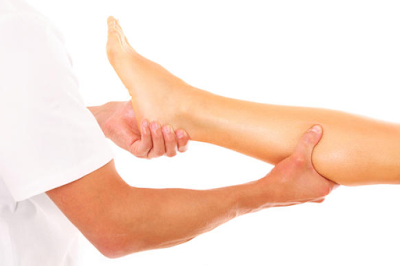
According to Neurology Channel the symptoms of cerebral palsy can be simple, such as having difficulty with fine motor tasks like writing or using a scissors. Or the symptoms can be more severe, resulting in an inability to walk or maintain balance. These symptoms are the result of the same spastic muscle control but are on a continuum of the very mild to the very severe. The most common type of cerebral palsy is spastic cerebral palsy , which refers to the hallmark symptom of spasticity in the muscles. Spasticity refers to increased muscle tone that can cause the muscles to have a permanent stiffness and will lead to contractures of the arms and legs as a person grows through adulthood. The person will have difficulty controlling the muscles that are affected by the spasticity, and the muscles will appear to be "stiff" if the joint is moved passively. This stiffness in the muscles can result in an inability to walk, stand, write or eat.
Movement Disorder
Another symptom of a different form of cerebral palsy is athetoid movements. These are movements or motions of the arms, legs, neck or face that are involuntary. According to the Neurology Channel, if you have athetoid movements your legs, arms or neck will have slow, writhing movements that are not controllable. The muscles of the face and tongue can also be affected. This causes grimacing and drooling as well as trouble eating and swallowing. You may require assistance with eating to prevent starvation.
Perceptual Problems
The third major symptom of cerebral palsy affects perceptual abilities and is called ataxic cerebral palsy. According to the National Institute of Neurological Disorders and Stroke, ataxia is the most rare symptom of cerebral palsy that affects balance and depth perception. You will have poor coordination and walk unsteadily with a wide-based gait. The ataxia also makes intentional movements such as buttoning a shirt extremely difficult and can induce an intense tremor with voluntary movement, such as reaching for an object.
Post-Impairment Syndrome
Post-impairment syndrome is a combination of symptoms that affect adults with cerebral palsy. According to the National Institute of Neurological Disorders and Stroke, this combination includes fatigue, pain, arthritis and weakness that is often a part of daily life. This symptom is due to the muscle abnormalities and bony changes that happen as you age with cerebral palsy. You can use three to five times more energy each day than an able-bodied person just to complete your daily living activities. This extra expenditure of energy combined with the spasticity and extra wear on the joints is a hallmark symptom of adults who suffer from cerebral palsy.

Spastic Muscles
According to Neurology Channel the symptoms of cerebral palsy can be simple, such as having difficulty with fine motor tasks like writing or using a scissors. Or the symptoms can be more severe, resulting in an inability to walk or maintain balance. These symptoms are the result of the same spastic muscle control but are on a continuum of the very mild to the very severe. The most common type of cerebral palsy is spastic cerebral palsy , which refers to the hallmark symptom of spasticity in the muscles. Spasticity refers to increased muscle tone that can cause the muscles to have a permanent stiffness and will lead to contractures of the arms and legs as a person grows through adulthood. The person will have difficulty controlling the muscles that are affected by the spasticity, and the muscles will appear to be "stiff" if the joint is moved passively. This stiffness in the muscles can result in an inability to walk, stand, write or eat.
Movement Disorder
Another symptom of a different form of cerebral palsy is athetoid movements. These are movements or motions of the arms, legs, neck or face that are involuntary. According to the Neurology Channel, if you have athetoid movements your legs, arms or neck will have slow, writhing movements that are not controllable. The muscles of the face and tongue can also be affected. This causes grimacing and drooling as well as trouble eating and swallowing. You may require assistance with eating to prevent starvation.
Perceptual Problems
The third major symptom of cerebral palsy affects perceptual abilities and is called ataxic cerebral palsy. According to the National Institute of Neurological Disorders and Stroke, ataxia is the most rare symptom of cerebral palsy that affects balance and depth perception. You will have poor coordination and walk unsteadily with a wide-based gait. The ataxia also makes intentional movements such as buttoning a shirt extremely difficult and can induce an intense tremor with voluntary movement, such as reaching for an object.
Post-Impairment Syndrome
Post-impairment syndrome is a combination of symptoms that affect adults with cerebral palsy. According to the National Institute of Neurological Disorders and Stroke, this combination includes fatigue, pain, arthritis and weakness that is often a part of daily life. This symptom is due to the muscle abnormalities and bony changes that happen as you age with cerebral palsy. You can use three to five times more energy each day than an able-bodied person just to complete your daily living activities. This extra expenditure of energy combined with the spasticity and extra wear on the joints is a hallmark symptom of adults who suffer from cerebral palsy.
Sunday, August 16, 2015
Vision Problems in Children With Cerebral Palsy
Children born with cerebral palsy face different challenges. One such
challenge is visual impairment. Cerebral palsy typically affects the muscles of
the whole body, sometimes including the muscles controlling the eyes.
Decades of European research states that up to one third of individuals born with cerebral palsy may have some form of moderate visual distortion. At the same time, 10 percent of all children with CP have serious visual impairment. This may limit their ability to see clearly, read, interact with the environment and others as well as avoid potential hazards around them.
Cortical Visual Impairment
The most common type of visual impairment associated with cerebral palsy is called “cortical visual impairment.” This usually happens due to damage within parts of the brain responsible for processing visual stimuli. In this kind of scenario, the child may have numerous difficulties such as recognizing familiar places, faces and other things. They may also have a hard time seeing different things at the same time, as well as knowing where things are in a three dimensional setting.
Further problems associated with cortical visual impairment include:
Making quick eye movements.
Getting tired of using their eyes quickly.
Focusing when they are looking at an object that’s close by.
Blurred or missing fields of vision.
How You Can Help
You can help develop your child’s vision by giving them brightly colored toys to play with as well as placing them in well-lit rooms where possible. At the end of the day, these children need more visual stimulation if they are to regain a decent level of vision to go about their daily lives in a relatively independent manner.
Decades of European research states that up to one third of individuals born with cerebral palsy may have some form of moderate visual distortion. At the same time, 10 percent of all children with CP have serious visual impairment. This may limit their ability to see clearly, read, interact with the environment and others as well as avoid potential hazards around them.

Cortical Visual Impairment
The most common type of visual impairment associated with cerebral palsy is called “cortical visual impairment.” This usually happens due to damage within parts of the brain responsible for processing visual stimuli. In this kind of scenario, the child may have numerous difficulties such as recognizing familiar places, faces and other things. They may also have a hard time seeing different things at the same time, as well as knowing where things are in a three dimensional setting.
Further problems associated with cortical visual impairment include:
Making quick eye movements.
Getting tired of using their eyes quickly.
Focusing when they are looking at an object that’s close by.
Blurred or missing fields of vision.
How You Can Help
You can help develop your child’s vision by giving them brightly colored toys to play with as well as placing them in well-lit rooms where possible. At the end of the day, these children need more visual stimulation if they are to regain a decent level of vision to go about their daily lives in a relatively independent manner.
Saturday, August 15, 2015
What is Cerebral Palsy (CP)?
Cerebral palsy, also referred to as CP, is a term used to describe a group of chronic conditions affecting body movement and muscle coordination. It is caused by damage to one or more specific areas of the brain, usually occurring during fetal development; before, during, or shortly after birth; or during infancy. Thus, these disorders are not caused by problems in the muscles or nerves. Instead, faulty development or damage to motor areas in the brain disrupt the brain's ability to adequately control movement and posture.
Early signs of cerebral palsy usually appear before 18 months of age, and parents are often the first to suspect that their infant is not developing motor skills normally. Infants with cerebral palsy are frequently slow to reach developmental milestones, such as learning to roll over, sit, crawl, smile, or walk. This is sometimes called developmental delay.
Some affected children have abnormal muscle tone. Decreased muscle tone is called hypotonia; the baby may seem flaccid and relaxed, even floppy. Increased muscle tone is called hypertonia, and the baby may seem stiff or rigid. In some cases, the baby has an early period of hypotonia that progresses to hypertonia after the first 2 to 3 months of life. Affected children may also have unusual posture or favor one side of their body.
Parents who are concerned about their baby's development for any reason should contact their physician, who can help distinguish normal variation in development from a developmental disorder.
Friday, August 14, 2015
Cerebral Palsy Diagnosis Information
Many parents of children diagnosed with cerebral palsy are given little explanation of the cause, severity or future implications of the disorder. Surprisingly, many children may not receive a cerebral palsy diagnosis until they are school age, even though there may have been circumstances at birth that indicated risk of cerebral palsy. Many pediatricians take a “wait and see” attitude when parents present issues of delayed development.
Most cerebral palsy conditions are caused by lesions on the brain. These lesions may be caused by:
Injuries that occurred during pregnancy or birth
(congenital cerebral palsy)
Injuries sustained in the months or years following birth
(acquired cerebral palsy)
While symptoms range from mild to severe, the condition does not get worse as your child gets older. Depending on the level of severity however, a child may be at risk for complications related to cerebral palsy such asdevelopmental delays, failure to thrive, joint contractures, scoliosis orseizures.
Different Types of Cerebral Palsy Diagnosis
Spastic Cerebral Palsy
Known as the most common form of cerebral palsy, spastic cerebral palsycauses tightness in the muscles. Patients have stiff and jerky movements and will often have difficulty letting go of something in their hand. Many children with spastic cerebral palsy rely on medications, therapies or surgical interventions to manage their spasticity and prevent secondary complications.
Athetoid Cerebral Palsy
Athetoid cerebral palsy (fluctuating tone) is a neurological disorder resulting in a variety of movement disorders that result in involuntary and uncontrolled movements. A child may be shaky and unsteady and may make frequent, abrupt movements. Due to the mixed muscle tone involved in athetoid cerebral palsy, a child may experience difficulty with fine motor skills and maintaining torso control.
Ataxic Cerebral Palsy
A less common form of cerebral palsy is ataxic cerebral palsy. Ataxic CP disturbs a child’s sense of balance and depth perception, resulting in jerky, uncoordinated movements. A child with ataxic cerebral palsy may exhibit mixed tone and experience challenges with controlled movements.
Sunday, August 9, 2015
Mixed Cerebral Palsy :Causes ,Risk Factors, Symptoms and Treatment
Mixed cerebral palsy is a developmental disorder caused by brain damage
before, during or after birth. Children with mixed CP have damage to the motor
control centers in several parts of their brain.
Children with this condition may have issues with movement, including: spasticity (abrupt, convulsive movements), involuntary movements, imbalance and lack of coordination. In order to understand mixed cerebral palsy, a quick overview of the primary issues with the other types of cerebral palsy can be helpful because each may be present in mixed CP.
Spastic – High muscle tone, causing stiffness and jerky movement
Athetoid – Variations in high and low tone, causing rigidity and floppiness
Ataxic – Issues with balance and coordination affect normal movement
Children who exhibit movement problems that fall into two or more of these categories are classified as having mixed cerebral palsy. The most common variation of mixed CP is a combination of spastic and athetoid.
Mixed CP varies based on the location of movement problems. These movement problems can occur in the legs (diplegia), one half of the body (hemiplegia) or all four limbs (quadriplegia).
Causes and Risk Factors
All cases of cerebral palsy are the result of damage to the developing brain. Injuries to the various motor control centers give rise to different types of cerebral palsy. In mixed CP, multiple parts of the motor control centers may be damaged, causing movement problems seen in various types of cerebral palsy.
Motor cortex
The motor cortex is one of the most important components of the brain’s motor control centers. Movement starts as signals from the motor cortex relayed to other parts of the brain that regulate motor control. These signals are then passed to the nerves in the muscles. Damage to the motor cortex causes spasticity in the muscles, joints and tendons.
Pyramidal tracts
The pyramidal tracts are the pathways whereby signals from the motor cortex travel to nerves in the spine. Damage to the pyramidal tracts has a similar effect to a damaged motor cortex. Signals from the motor cortex can’t get through without the pyramidal tracts. Therefore, this type of brain injury also causes movement problems characterized by spastic cerebral palsy.
Basal ganglia
The basal ganglia are a group of several types of neurons in the center of the brain. The basal ganglia process signals from the motor cortex before sending them along to the brainstem. Athetoid cerebral palsy is caused by damage to the basal ganglia, which help control voluntary movements and cognition. Children with athetoid CP have issues with high and low muscle tone. These variations in muscle tone cause involuntary movement and lack of muscle control.
Cerebellum
The cerebellum’s role in motor function is to maintain balance and coordination of movement. Children with damage to the cerebellum have issues with posture, walking and fine motor skills. Some children with athetoid CP also have damage to the cerebellum. Children may develop ataxic CP if the cerebellum is only damaged by part of the brain.
There are numerous ways any of these parts of the brain can be damaged, most notably:
Infections before or after birth
Lack of oxygen at or during birth
Traumatic head injury in first years of life
There are several risk factors that may increase the chances of a child developing cerebral palsy, including: severe untreated jaundice, placental failure and bleeding in the brain. Learn more about the other risk factors of cerebral palsy.
Signs and Symptoms of Mixed Cerebral Palsy
Every case of cerebral palsy is unique because of the different levels of severity and specific locations of movement problems. Children with mixed cerebral palsy, however, tend to have an even wider variety in symptoms since each child may have different types of brain damage. The symptoms of any type of cerebral palsy may apply to a child with mixed cerebral palsy. Some of the most common are:
Exaggerated, jerky movements
Abnormal reflexes
Poor posture
Tremors or shakiness
Issues with coordination
Diagnosing mixed cerebral palsy can take up to 18 months because some children develop slower than others. It’s also hard to tell if a child with a brain injury will make a recovery and develop normally.
The typical signs of mixed CP in a child include:
Inability to hold up their head
Unnaturally stiff muscles
Crossed legs or abnormal gait
Inability to roll over
Favoring one arm when reaching for objects
Treatment for Mixed Cerebral Palsy
The level of treatment required for mixed cerebral palsy is different with every child. Some children may only require minor physical therapy, while others may need more radical treatments. Either way, the goal of treating cerebral palsy is to provide the child with the highest level of independence possible. This is accomplished through physical therapy, medication and sometimes surgery.
Physical therapy
This is generally the first step of treatment. The type of therapies geared toward a child with mixed cerebral palsy depends on the specific movement problems they are expressing. Physical therapy uses several methods of treatment, including: strength training, flexibility exercises, massage therapy and splints and casts to help with posture and walking.
Medications
There are many kinds of medications prescribed to children with mixed cerebral palsy. Not only are some medications designed to help control motor function, but some help manage co-occurring conditions, such as seizures and behavioral disorders.
Surgery
Surgery for children with cerebral palsy is generally geared to relieving painful contractures and making movement more manageable. Children with spasticity are the most likely to be recommended surgical treatment, although surgery may be helpful in some cases of mixed CP (with more characteristics of athetoid). There is a specific age children can benefit from surgery, and choosing surgery depends on the parents goals for their child’s quality of life.
Children with this condition may have issues with movement, including: spasticity (abrupt, convulsive movements), involuntary movements, imbalance and lack of coordination. In order to understand mixed cerebral palsy, a quick overview of the primary issues with the other types of cerebral palsy can be helpful because each may be present in mixed CP.
Spastic – High muscle tone, causing stiffness and jerky movement
Athetoid – Variations in high and low tone, causing rigidity and floppiness
Ataxic – Issues with balance and coordination affect normal movement
Children who exhibit movement problems that fall into two or more of these categories are classified as having mixed cerebral palsy. The most common variation of mixed CP is a combination of spastic and athetoid.
Mixed CP varies based on the location of movement problems. These movement problems can occur in the legs (diplegia), one half of the body (hemiplegia) or all four limbs (quadriplegia).
Causes and Risk Factors
All cases of cerebral palsy are the result of damage to the developing brain. Injuries to the various motor control centers give rise to different types of cerebral palsy. In mixed CP, multiple parts of the motor control centers may be damaged, causing movement problems seen in various types of cerebral palsy.
Motor cortex
The motor cortex is one of the most important components of the brain’s motor control centers. Movement starts as signals from the motor cortex relayed to other parts of the brain that regulate motor control. These signals are then passed to the nerves in the muscles. Damage to the motor cortex causes spasticity in the muscles, joints and tendons.
Pyramidal tracts
The pyramidal tracts are the pathways whereby signals from the motor cortex travel to nerves in the spine. Damage to the pyramidal tracts has a similar effect to a damaged motor cortex. Signals from the motor cortex can’t get through without the pyramidal tracts. Therefore, this type of brain injury also causes movement problems characterized by spastic cerebral palsy.
Basal ganglia
The basal ganglia are a group of several types of neurons in the center of the brain. The basal ganglia process signals from the motor cortex before sending them along to the brainstem. Athetoid cerebral palsy is caused by damage to the basal ganglia, which help control voluntary movements and cognition. Children with athetoid CP have issues with high and low muscle tone. These variations in muscle tone cause involuntary movement and lack of muscle control.
Cerebellum
The cerebellum’s role in motor function is to maintain balance and coordination of movement. Children with damage to the cerebellum have issues with posture, walking and fine motor skills. Some children with athetoid CP also have damage to the cerebellum. Children may develop ataxic CP if the cerebellum is only damaged by part of the brain.
There are numerous ways any of these parts of the brain can be damaged, most notably:
Infections before or after birth
Lack of oxygen at or during birth
Traumatic head injury in first years of life
There are several risk factors that may increase the chances of a child developing cerebral palsy, including: severe untreated jaundice, placental failure and bleeding in the brain. Learn more about the other risk factors of cerebral palsy.
Signs and Symptoms of Mixed Cerebral Palsy
Every case of cerebral palsy is unique because of the different levels of severity and specific locations of movement problems. Children with mixed cerebral palsy, however, tend to have an even wider variety in symptoms since each child may have different types of brain damage. The symptoms of any type of cerebral palsy may apply to a child with mixed cerebral palsy. Some of the most common are:
Exaggerated, jerky movements
Abnormal reflexes
Poor posture
Tremors or shakiness
Issues with coordination
Diagnosing mixed cerebral palsy can take up to 18 months because some children develop slower than others. It’s also hard to tell if a child with a brain injury will make a recovery and develop normally.
The typical signs of mixed CP in a child include:
Inability to hold up their head
Unnaturally stiff muscles
Crossed legs or abnormal gait
Inability to roll over
Favoring one arm when reaching for objects
Treatment for Mixed Cerebral Palsy
The level of treatment required for mixed cerebral palsy is different with every child. Some children may only require minor physical therapy, while others may need more radical treatments. Either way, the goal of treating cerebral palsy is to provide the child with the highest level of independence possible. This is accomplished through physical therapy, medication and sometimes surgery.
Physical therapy
This is generally the first step of treatment. The type of therapies geared toward a child with mixed cerebral palsy depends on the specific movement problems they are expressing. Physical therapy uses several methods of treatment, including: strength training, flexibility exercises, massage therapy and splints and casts to help with posture and walking.
Medications
There are many kinds of medications prescribed to children with mixed cerebral palsy. Not only are some medications designed to help control motor function, but some help manage co-occurring conditions, such as seizures and behavioral disorders.
Surgery
Surgery for children with cerebral palsy is generally geared to relieving painful contractures and making movement more manageable. Children with spasticity are the most likely to be recommended surgical treatment, although surgery may be helpful in some cases of mixed CP (with more characteristics of athetoid). There is a specific age children can benefit from surgery, and choosing surgery depends on the parents goals for their child’s quality of life.
Saturday, August 8, 2015
Cerebral Palsy Symptoms and Effects
The symptoms and effects of cerebral palsy vary, depending on the location
and extent of the damage to the brain. Some children have normal intelligence;
others have learning disabilities. Some children have mild difficulties with
movement; others are unable to control their limbs. Despite the great variation
in symptoms, certain effects are common among people who have cerebral
palsy.
Primary Effects
Cerebral palsy affects the areas of the brain that control muscle tone, movement, balance and coordination. As a result, all people who have cerebral palsy experience some degree of difficulty making smooth, deliberate movements. Typical symptoms include:
Abnormal muscle tone (muscles with too much or too little tone)
Muscles that pull unevenly on the joints
Abnormal reflexes (the persistence of primitive reflexes that people normally outgrow during infancy)
Balance and movement problems
Primary effects of cerebral palsy may improve with some treatments.
Secondary Effects
As a child grows and develops, the primary effects of cerebral palsy can lead to secondary effects, including:
Inadequate muscle growth, which causes contractures (shortening) of muscles and tendons
Bone deformities
Misalignment of the joints
Excessive fatigue with movement and walking
Pain
Treatments can often slow or correct secondary effects of cerebral palsy.
Tertiary Effects
The primary and secondary effects of cerebral palsy can lead people to adopt “coping responses”—ways of moving that compensate for challenges. For example, abnormal muscle tone in the legs can result in stiff knees that make walking difficult. People might compensate for this challenge by swinging their legs in a circle rather than a straight line when walking.
Tertiary effects typically improve following treatment of primary and secondary effects, assuming patients undergo rehabilitation therapy as part of their treatment plans.
Possible Associated Effects
Depending on the extent and location of the damage to the brain, some people who have cerebral palsy experience additional health and cognitive (thinking and learning) challenges. Some examples include:
Breathing difficulties
Depression, anxiety and mental health disorders
Feeding and swallowing disorders (dysphagia)
Hearing loss and vision problems
Learning disabilities or cognitive impairment
Seizures and epilepsy
Sensory issues
Sleep disorders
Speech and language difficulties
Age-Related Effects
The brain-related issues that cause cerebral palsy don’t get worse. The effects of cerebral palsy, however, often do progress as people age—especially without adequate treatment. For example, muscles that can support a 40-pound child might be too weak to support a 130-pound adult. In addition, abnormal muscle tone causes abnormal stress on the joints, which can wear out or become painful.
For these reasons, people who have cerebral palsy sometimes lose abilities—such as walking—when they grow older. In fact, people who have cerebral palsy might begin noticing the effects of aging in early adulthood. That’s why cerebral palsy requires a lifetime of expert medical care. Learn about Gillette’s services for teens and adults.
Primary Effects
Cerebral palsy affects the areas of the brain that control muscle tone, movement, balance and coordination. As a result, all people who have cerebral palsy experience some degree of difficulty making smooth, deliberate movements. Typical symptoms include:
Abnormal muscle tone (muscles with too much or too little tone)
Muscles that pull unevenly on the joints
Abnormal reflexes (the persistence of primitive reflexes that people normally outgrow during infancy)
Balance and movement problems
Primary effects of cerebral palsy may improve with some treatments.
Secondary Effects
As a child grows and develops, the primary effects of cerebral palsy can lead to secondary effects, including:
Inadequate muscle growth, which causes contractures (shortening) of muscles and tendons
Bone deformities
Misalignment of the joints
Excessive fatigue with movement and walking
Pain
Treatments can often slow or correct secondary effects of cerebral palsy.
Tertiary Effects
The primary and secondary effects of cerebral palsy can lead people to adopt “coping responses”—ways of moving that compensate for challenges. For example, abnormal muscle tone in the legs can result in stiff knees that make walking difficult. People might compensate for this challenge by swinging their legs in a circle rather than a straight line when walking.
Tertiary effects typically improve following treatment of primary and secondary effects, assuming patients undergo rehabilitation therapy as part of their treatment plans.
Possible Associated Effects
Depending on the extent and location of the damage to the brain, some people who have cerebral palsy experience additional health and cognitive (thinking and learning) challenges. Some examples include:
Breathing difficulties
Depression, anxiety and mental health disorders
Feeding and swallowing disorders (dysphagia)
Hearing loss and vision problems
Learning disabilities or cognitive impairment
Seizures and epilepsy
Sensory issues
Sleep disorders
Speech and language difficulties
Age-Related Effects
The brain-related issues that cause cerebral palsy don’t get worse. The effects of cerebral palsy, however, often do progress as people age—especially without adequate treatment. For example, muscles that can support a 40-pound child might be too weak to support a 130-pound adult. In addition, abnormal muscle tone causes abnormal stress on the joints, which can wear out or become painful.
For these reasons, people who have cerebral palsy sometimes lose abilities—such as walking—when they grow older. In fact, people who have cerebral palsy might begin noticing the effects of aging in early adulthood. That’s why cerebral palsy requires a lifetime of expert medical care. Learn about Gillette’s services for teens and adults.
Wednesday, July 1, 2015
Cerebral Palsy Symptoms ,Therapy ,Life Expectancy ,Causes , Diagnosis , Diet
Cerebral palsy
Cerebral palsy is a non-hereditary result of early brain lesions responsible for motor deficits exclusive or predominant.
Cerebral palsy is linked to brain damage occurred in the antenatal or perinatal period. Specific disorders of higher functions may be associated (perceptual disturbances, sensory disturbances).
The incidence of this disease has changed little over the past 10 years, despite the stricter monitoring of pregnancies and perinatal care (since 1970) and the decrease of prematurity.
Cerebral palsy symptoms
The warning signs are often reported by parents. Listening carefully to parents and close monitoring of children at risk should lead to early diagnosis.
The first cerebral palsy symptoms are: a child who does not keep his head, who can crawl with the help of the lower limbs, who was slow to sit alone, who uses only one hand.
Cerebral palsy attorney
Cerebral palsy attorney represent a group of people specialized in kids with cerebral palsy. They help parents with information in order to see if cerebral palsy was caused in the delivery.
Cerebral palsy children
Unfortunately cerebral palsy children increased in the last years. Even though two kids have cerebral palsy they act differently and have different symptoms. It depends on the proportion of the brain damage. Cerebral palsy children can be caused during pregnancy in the delivery nut also after delivery. There are some factors that may favor cerebral palsy like head wounds.If your child have cerebral palsy is well to help him as much as possible, to go to specialists who can really offer them moral but also pshysical support. You should also try to to give them foods that make available for the organism a lot of vitamins. Vision and hearing may also be affected.
Athetoid cerebral palsy
Athetoid cerebral palsy is one of the five cerebral palsy types. It is a severe case because it affects the entire body. Children with athetoid cerebral palsy have muscles problems, they find difficult to walk or to seat by themselves and they also have problems eating or drinking.
Cerebral palsy therapy
Cerebral palsy therapy involves a physical therapy in order to help the affected muscles but also a drug therapy. The purpose of cerebral palsy therapy is to develop the children skills so he can eat move without help.
Cerebral palsy treatment
Physical therapy (physiotherapy, occupational therapy, hydrotherapy, balneotherapy, electrotherapy) is fundamental. The devices and orthopedic surgery are very important to quickly obtain results.
The speech therapy and the anti-epileptic drugs are also essential in cerebral palsy treatment.
The digestive and nutritional problems should be detected. Children are often hypotrophic because of their feeding difficulties. The diet should be enriched with vitamin D, iron and folic acid. Patient should drink a lot.
Respiratory disorders are associated with respiratory muscle weakness and choking. Treatment involves chest physiotherapy, aerosol and antibiotics in case of superinfection.
All the usual vaccinations should be performed. Dental care should not be forgotten.
The behavior in the family is sometimes difficult. The assistance of a physician or psychologist is often necessary.
Disabled children must be treated by other members of his family in the most natural way possible. The morale of the child depends on the parents attitude.
Cerebral palsy life expectancy
Cerebral palsy life expectancy is different from person to person. It depends on the therapy and treatment but also on the severity of the case. Cerebral life expectancy is around 60 if the child has a mild form of cerebral palsy. If he has a severe form the cerebral life expectancy is around 30 years.
Cerebral palsy causes
Monitoring of pregnancy and childbirth are the best guarantee of a healthy child. Among cerebral palsy causes there are: infections, brain wounds, trauma, prematurity birth or metabolic disease.
Cerebral palsy surgery
Extreme rigidity and spasticity require a cerebral palsy surgery. Cerebral palsy surgery is an option in cases of high malnutrition reflux, respiratory repeated incidents, anemia or esophagitis.
Types of cerebral palsy
There are five main types of cerebral palsy: hemiplegia, displegia, quadriplegia, diskinetic and ataxic. There is also mixed cerebral palsy. The most serious case of cerebral palsy is quadriplegia. In displegia the lower limbs are more affected then the upper limbs.
In hemiplegia it is affected one side of the body. Diskinetic cerebral palsy means that kids have difficulty walking and speaking. This type of cerebral palsy does not affects the intelligence. Ataxic form affects the balance of the child.
Cerebral palsy diagnosis
In order to have a cerebral palsy diagnose, physical and neurological examinations are required. Then the doctor will perform others tests like magnetic resonance imaging, ultrasound and computerized tomography.
Cerebral palsy diet
Cerebral palsy diet require foods reach in vitamin D, folic acid, calcium, potassium. Kids should drink plenty of milk and water and should consume fresh fruits and vegetables.
Cerebral palsy is a non-hereditary result of early brain lesions responsible for motor deficits exclusive or predominant.
Cerebral palsy is linked to brain damage occurred in the antenatal or perinatal period. Specific disorders of higher functions may be associated (perceptual disturbances, sensory disturbances).
The incidence of this disease has changed little over the past 10 years, despite the stricter monitoring of pregnancies and perinatal care (since 1970) and the decrease of prematurity.
Cerebral palsy symptoms
The warning signs are often reported by parents. Listening carefully to parents and close monitoring of children at risk should lead to early diagnosis.
The first cerebral palsy symptoms are: a child who does not keep his head, who can crawl with the help of the lower limbs, who was slow to sit alone, who uses only one hand.
Cerebral palsy attorney
Cerebral palsy attorney represent a group of people specialized in kids with cerebral palsy. They help parents with information in order to see if cerebral palsy was caused in the delivery.
Cerebral palsy children
Unfortunately cerebral palsy children increased in the last years. Even though two kids have cerebral palsy they act differently and have different symptoms. It depends on the proportion of the brain damage. Cerebral palsy children can be caused during pregnancy in the delivery nut also after delivery. There are some factors that may favor cerebral palsy like head wounds.If your child have cerebral palsy is well to help him as much as possible, to go to specialists who can really offer them moral but also pshysical support. You should also try to to give them foods that make available for the organism a lot of vitamins. Vision and hearing may also be affected.
Athetoid cerebral palsy
Athetoid cerebral palsy is one of the five cerebral palsy types. It is a severe case because it affects the entire body. Children with athetoid cerebral palsy have muscles problems, they find difficult to walk or to seat by themselves and they also have problems eating or drinking.
Cerebral palsy therapy
Cerebral palsy therapy involves a physical therapy in order to help the affected muscles but also a drug therapy. The purpose of cerebral palsy therapy is to develop the children skills so he can eat move without help.
Cerebral palsy treatment
Physical therapy (physiotherapy, occupational therapy, hydrotherapy, balneotherapy, electrotherapy) is fundamental. The devices and orthopedic surgery are very important to quickly obtain results.
The speech therapy and the anti-epileptic drugs are also essential in cerebral palsy treatment.
The digestive and nutritional problems should be detected. Children are often hypotrophic because of their feeding difficulties. The diet should be enriched with vitamin D, iron and folic acid. Patient should drink a lot.
Respiratory disorders are associated with respiratory muscle weakness and choking. Treatment involves chest physiotherapy, aerosol and antibiotics in case of superinfection.
All the usual vaccinations should be performed. Dental care should not be forgotten.
The behavior in the family is sometimes difficult. The assistance of a physician or psychologist is often necessary.
Disabled children must be treated by other members of his family in the most natural way possible. The morale of the child depends on the parents attitude.
Cerebral palsy life expectancy
Cerebral palsy life expectancy is different from person to person. It depends on the therapy and treatment but also on the severity of the case. Cerebral life expectancy is around 60 if the child has a mild form of cerebral palsy. If he has a severe form the cerebral life expectancy is around 30 years.
Cerebral palsy causes
Monitoring of pregnancy and childbirth are the best guarantee of a healthy child. Among cerebral palsy causes there are: infections, brain wounds, trauma, prematurity birth or metabolic disease.
Cerebral palsy surgery
Extreme rigidity and spasticity require a cerebral palsy surgery. Cerebral palsy surgery is an option in cases of high malnutrition reflux, respiratory repeated incidents, anemia or esophagitis.
Types of cerebral palsy
There are five main types of cerebral palsy: hemiplegia, displegia, quadriplegia, diskinetic and ataxic. There is also mixed cerebral palsy. The most serious case of cerebral palsy is quadriplegia. In displegia the lower limbs are more affected then the upper limbs.
In hemiplegia it is affected one side of the body. Diskinetic cerebral palsy means that kids have difficulty walking and speaking. This type of cerebral palsy does not affects the intelligence. Ataxic form affects the balance of the child.
Cerebral palsy diagnosis
In order to have a cerebral palsy diagnose, physical and neurological examinations are required. Then the doctor will perform others tests like magnetic resonance imaging, ultrasound and computerized tomography.
Cerebral palsy diet
Cerebral palsy diet require foods reach in vitamin D, folic acid, calcium, potassium. Kids should drink plenty of milk and water and should consume fresh fruits and vegetables.
Sunday, June 28, 2015
Spastic Cerebral Palsy, Athetoid Cerebral Palsy, Ataxic Cerebral Palsy Symptoms
Specific movement problems are the primary symptoms of cerebral palsy.
Cerebral palsy is a group of different motor function disorders caused by injury
in different parts of the brain. These motor control problems are the foundation
of the multitude of other symptoms associated with cerebral palsy.
Spastic Cerebral Palsy
Difficulties with fine motor skills due to jerky reflexes
Stiff muscles (hypertonia)
Exaggerated reflexes
Athetoid/dyskinetic Cerebral Palsy
Tremors and shakiness
Involuntary reflexes
Variations in muscle tone (hypertonia and hypotonia)
Slow, writhing movement
Ataxic Cerebral Palsy
Lack of coordination
Difficulty with balance
Trouble with fine motor skills
These developmental movement disorders can be limited to: one side of the body, the legs, the arms, all four limbs or just one limb. People with cerebral palsy experience different symptoms based on the location of movement problems. These movement problems usually do not get worse over time, but issues such as a shortening of muscles or tendons may develop without proper management.
Spastic Cerebral Palsy
Difficulties with fine motor skills due to jerky reflexes
Stiff muscles (hypertonia)
Exaggerated reflexes
Athetoid/dyskinetic Cerebral Palsy
Tremors and shakiness
Involuntary reflexes
Variations in muscle tone (hypertonia and hypotonia)
Slow, writhing movement
Ataxic Cerebral Palsy
Lack of coordination
Difficulty with balance
Trouble with fine motor skills
These developmental movement disorders can be limited to: one side of the body, the legs, the arms, all four limbs or just one limb. People with cerebral palsy experience different symptoms based on the location of movement problems. These movement problems usually do not get worse over time, but issues such as a shortening of muscles or tendons may develop without proper management.
Thursday, June 4, 2015
Early Signs of Cerebral Palsy in bodies
Cerebral palsy describes a neurological disorder in which damage to the brain
affects the ability to control muscles and coordinate movement. Most cases of
cerebral palsy are classified as congenital, meaning present at birth, caused by
brain damage sustained during fetal development or delivery. Acquired cerebral
palsy occurs from brain damage caused by infections or injury during the first
few months or years of life. Although present at birth, signs of cerebral palsy
may be difficult to detect, especially in mild cases, but most cases are
diagnosed by the age of 1 or 2 years .

Infants with cerebral palsy exhibit developmental delays. Some fail to reach major milestones, such as rolling over, sitting up or crawling during the time frames specified by pediatricians. Although all children develop at their own pace, the inability to control the head or lift the chest up while lying on the stomach, by 5 months of age, may indicate cerebral palsy, according to the Pennsylvania Child Welfare Training Program. In addition, the inability to reach for, or transfer, objects from one hand to the other by 7 months of age may indicate cerebral palsy.
Some children may seem to reach developmental milestones on time, but may exhibit abnormal patterns while mastering the new skills. For example, an infant who uses only one hand when playing with a toy, or if her hand trembles while reaching for a toy, may suffer from cerebral palsy. Infants who use their hands and arms well, but drag their legs may show signs of cerebral palsy. Others learn to walk on schedule, but may walk on their tip toes, which is a sign of cerebral palsy.
Infants with cerebral palsy may exhibit hypotonia, a significant loss of muscle tone. Hypotonia makes the muscles appear loose or floppy. Hypotonia contributes to the inability to control the head and other signs of delayed development.
Cerebral palsy also causes hypertonia, which is an excessive degree of muscle tone. Infants displaying hypertonia have tight and stiff muscles that constrict movement. Signs of hypertonia include keeping the hands fisted, keeping the legs extended and crossing the legs or ankles. In addition, those infants who kick both legs in unison, instead of one at a time, may exhibit signs of cerebral palsy. Difficulty changing a diaper due to hips that are tight, making it difficult to separate the legs, is a sign of hypertonia and cerebral palsy. Hypertonia also affects the tongue, causing tongue thrusts and excessive drooling.

Infants with cerebral palsy exhibit developmental delays. Some fail to reach major milestones, such as rolling over, sitting up or crawling during the time frames specified by pediatricians. Although all children develop at their own pace, the inability to control the head or lift the chest up while lying on the stomach, by 5 months of age, may indicate cerebral palsy, according to the Pennsylvania Child Welfare Training Program. In addition, the inability to reach for, or transfer, objects from one hand to the other by 7 months of age may indicate cerebral palsy.
Some children may seem to reach developmental milestones on time, but may exhibit abnormal patterns while mastering the new skills. For example, an infant who uses only one hand when playing with a toy, or if her hand trembles while reaching for a toy, may suffer from cerebral palsy. Infants who use their hands and arms well, but drag their legs may show signs of cerebral palsy. Others learn to walk on schedule, but may walk on their tip toes, which is a sign of cerebral palsy.
Infants with cerebral palsy may exhibit hypotonia, a significant loss of muscle tone. Hypotonia makes the muscles appear loose or floppy. Hypotonia contributes to the inability to control the head and other signs of delayed development.
Cerebral palsy also causes hypertonia, which is an excessive degree of muscle tone. Infants displaying hypertonia have tight and stiff muscles that constrict movement. Signs of hypertonia include keeping the hands fisted, keeping the legs extended and crossing the legs or ankles. In addition, those infants who kick both legs in unison, instead of one at a time, may exhibit signs of cerebral palsy. Difficulty changing a diaper due to hips that are tight, making it difficult to separate the legs, is a sign of hypertonia and cerebral palsy. Hypertonia also affects the tongue, causing tongue thrusts and excessive drooling.
Subscribe to:
Posts (Atom)